Design & research leadership
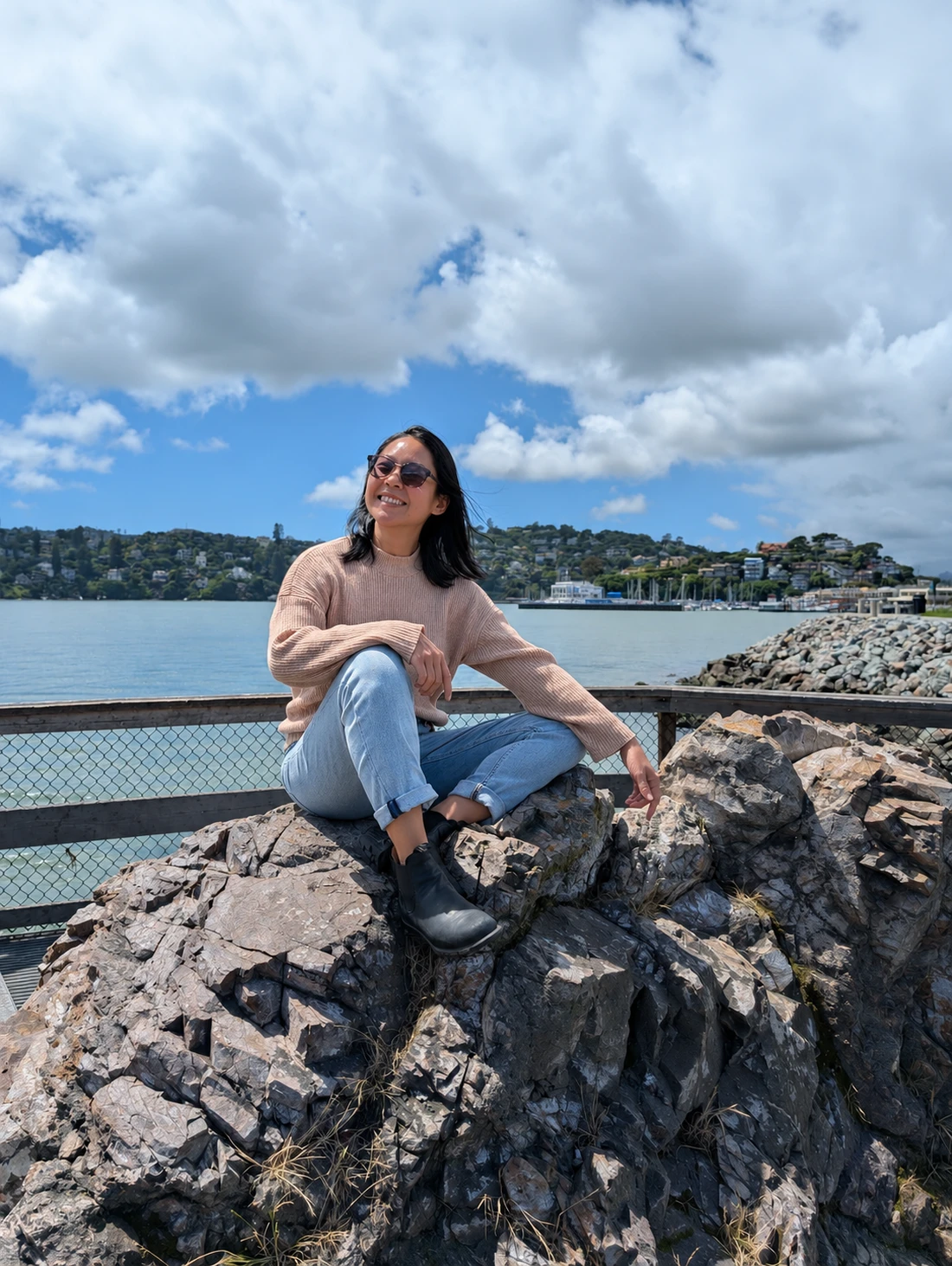
Hi, I’m Emily
I’m Head of Design & Research at Hipcamp. I joined as the company’s first researcher after working at Airbnb, and now I lead product design, research, and brand, reporting to the CEO. I managed a full-time team of six, including three senior designers, plus a contract designer and a research vendor.
“A highly trusted and supportive leader who creates an environment where people feel safe, motivated, and able to do their best work.”
01
Changing how to design and ship product
I spearheaded an AI-native design workflow. The first project built with it tripled its growth target.
Context
Figma and production code had drifted apart, creating QA and translation work for Design. Our engineers were using AI heavily in their day-to-day coding tasks while Design was becoming the blocker.
Approach
We explored Tailwind to see how it would change our design process. I enabled a designer to invest his time in building out the system while it was still being proven.
I brought the rest of the Design and Engineering team along to prioritize bringing the new system to life on an isolated project, without requiring an expensive migration.
As we used AI to explore host onboarding, I noticed that the designs kept adding buttons and ways into the flow. In critique, I pushed for one clear next step at each stage so hosts could focus on getting their land ready for campers.
Impact
Our designers now use Claude to build with production components and merge their own changes.
In Q3, the number of newly listed properties that received their first booking grew 15% across Hipcamp, triple our 5% growth target.
In the project retrospective, the team singled out the new design process as what helped them most.
02
Driving growth by identifying the target customer
I identified the segment, made the case to the Board and led the product response.
Context
New customer growth was declining amidst a changing landscape due to AI. We could no longer rely on SEO as the primary driver of top funnel growth.
Approach
Deep market research led me from RVers to adventure rig campers, an emerging segment with strong product-market fit.
I presented the target group to the Board and secured a marketing budget to invest in on-the-ground events and YouTube.
As interim PM, I directed the team’s work toward adventure rig campers. We explored how search results could reflect the way people camp.
In map search, campers could filter by camping style to find sites that fit their setup. Camper reviews surfaced rig details, including the type and length of the vehicle that stayed at a site.
Impact
Over the last 12 months, Adventure Rig Campers made up 18.5% of bookings, and that share keeps climbing: about 23% last month, with a growing share of GMV. They're also our most loyal campers, with the highest annual retention of any segment.
03
Defining a product vision
I prompted the need for a design vision, developed it with the CEO, then shared it with the company.
Context
Different parts of the company were prioritizing different areas of work, sometimes at odds with one another. Ops put their efforts towards onboarding commercial campgrounds while Product was building for private landowners.
Approach
I facilitated a session with the CEO and a senior member of the Design team to co-create a design vision that would give us a North Star to guide us as a company. I built an interactive page to share the vision and design principles with the company at an All-Hands.
Impact
The CEO now uses the design principles to make hard calls, such as choosing to show public campgrounds in our product. Ops and Product, previously split between commercial campgrounds and private landowners, now share one goal: growing private land.
04
How I lead
I lead a remote team across product and brand design, research, and data analytics.
Growing people
I worked with a Senior Designer on her growth and got her promoted to Staff. I created an opportunity for her to build strategy and communication skills by presenting to Staff leadership and at All-Hands. I also helped her widen her project scope from redesigning a search surface to setting the vision for what search could be, and defining the incremental steps to get there.
Creating space to work together
In our quarterly retros, the team said they wanted more informal time together, which is hard to get on a fully remote team. Alongside Design Critique, I started Design Jams: no prep, just a shared Figma board and a project that needed more eyes. In later retros, the team called out Design Jams as a highlight.
Making hard calls
When a researcher struggled to find his footing after a reorganization, I set clear expectations and a structured plan to support him. He ultimately chose to move on, and I believe that was the right outcome for him and the team. Despite the tough situation, he called me “the most supportive and encouraging manager I've had at Hipcamp.”